Diamond Eye · Vision for collectors
Spot the diamond everyone else scrolled past.
Diamond Eye watches new listings in your niche, reads the photos — not just the titles — and pings you the moment something underpriced, mis-identified, or quietly collectible slips onto the market. The deals that never show up in a keyword alert, because the seller never knew what they were holding.
Why the best deals slip past you
The diamonds don’t look like diamonds.
Keyword alerts only catch listings that already name the valuable thing. But the real finds are the ones that don’t: a rare variant mislabeled as the common one, a maker’s mark buried in a blurry gallery, a piece described by someone who has no idea what it is. By the time it surfaces in a search — if it ever does — someone with a sharper eye has already bought it.
The edge was never the alert. It was looking at every photo, on every listing, the second it goes live. Diamond Eye does exactly that — tirelessly, in your niche.
How it works · a real find
One vague listing. One Rolleicord Vb nobody else saw.
This is an actual run from the deal desk Diamond Eye grew out of — a vintage-camera dealer’s private bench. Same engine, pointed at one niche.
A listing nobody would look at twice
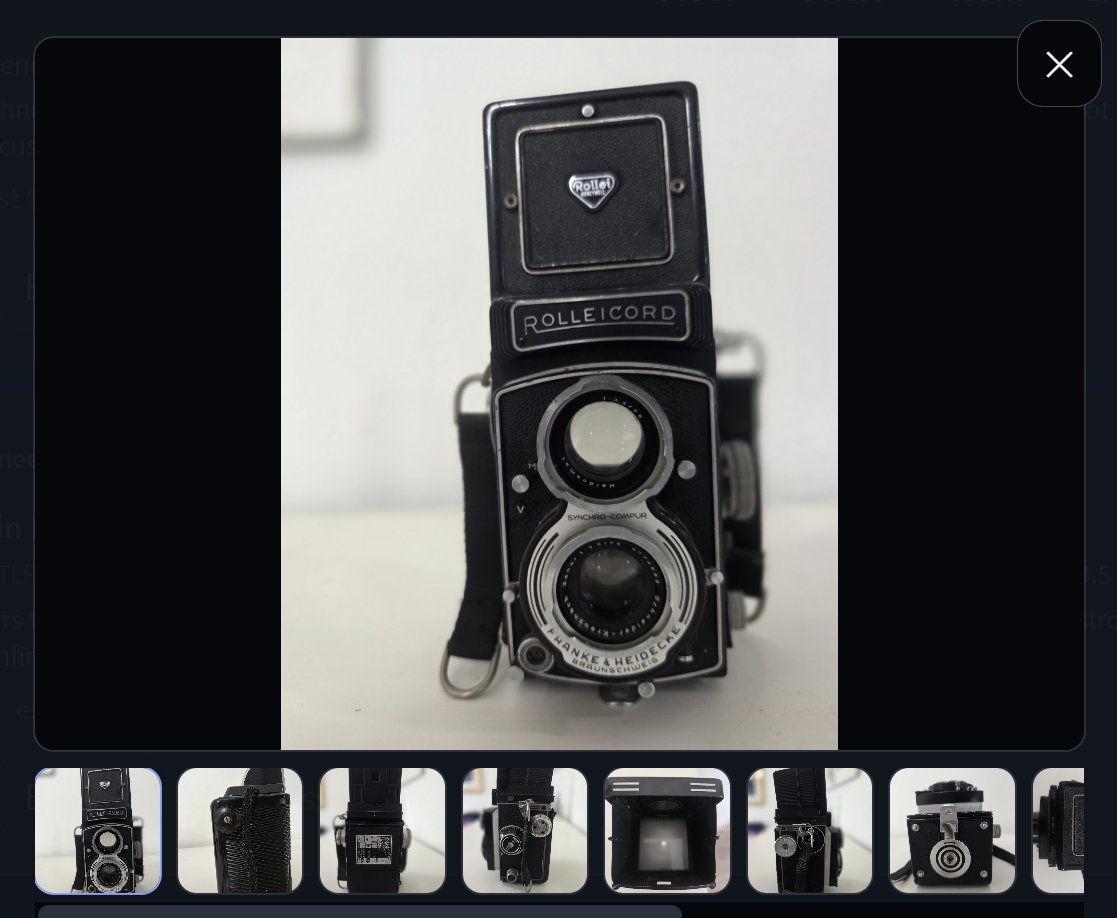
A tired-looking black twin-lens reflex, listed only as “Rollei Rolleicord TLR 120 medium format camera.” No variant, no lens, nothing for a collector to search on. Diamond Eye read the gallery and called it: a Rolleicord Vb with a Schneider-Kreuznach Xenar 75mm f/3.5 — at 78% confidence.
It reads the photos, not the title
The vision model inventories what is actually in the pictures — the ROLLEICORD nameplate and Franke & Heidecke shutter panel, the Xenar taking lens, the left-side focusing knob, the later removable waist-level hood. Each one is a telltale that pins the exact variant the title never mentioned.
All the way down to the serial
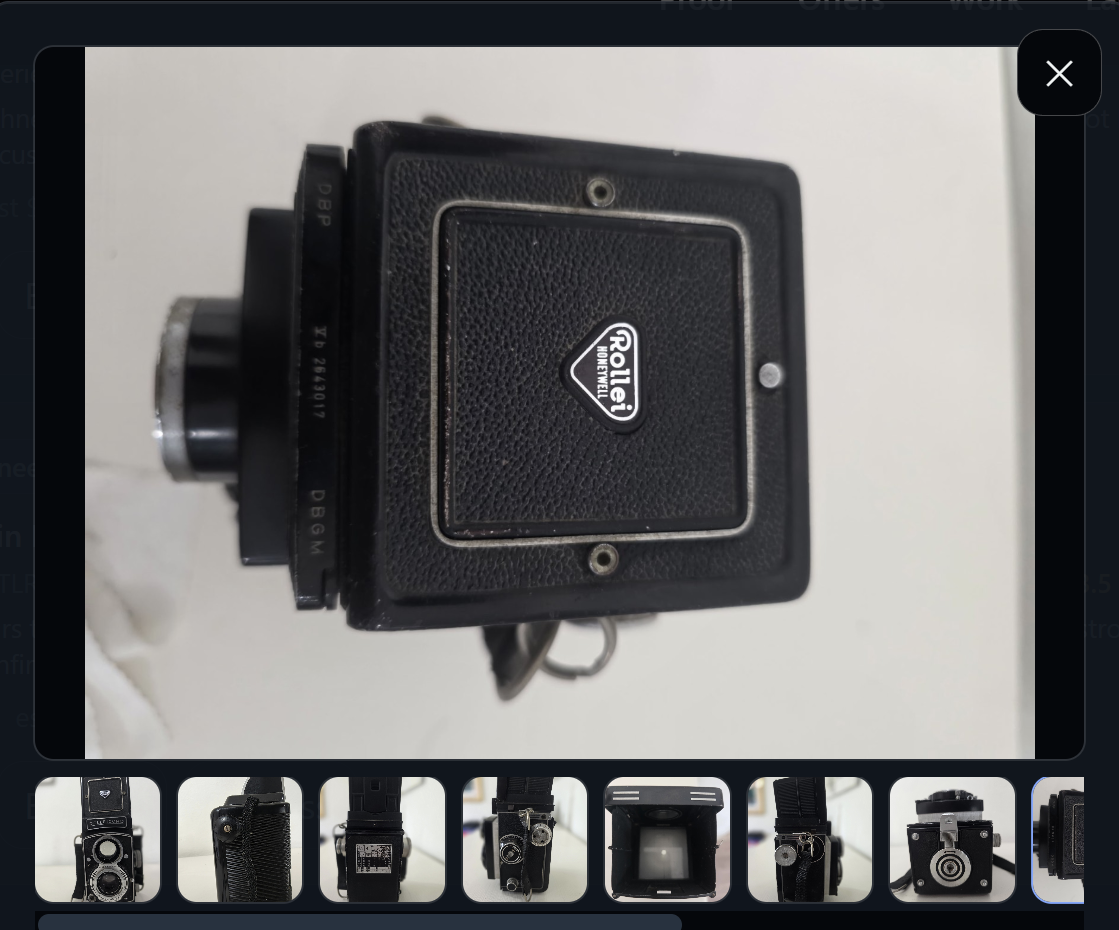
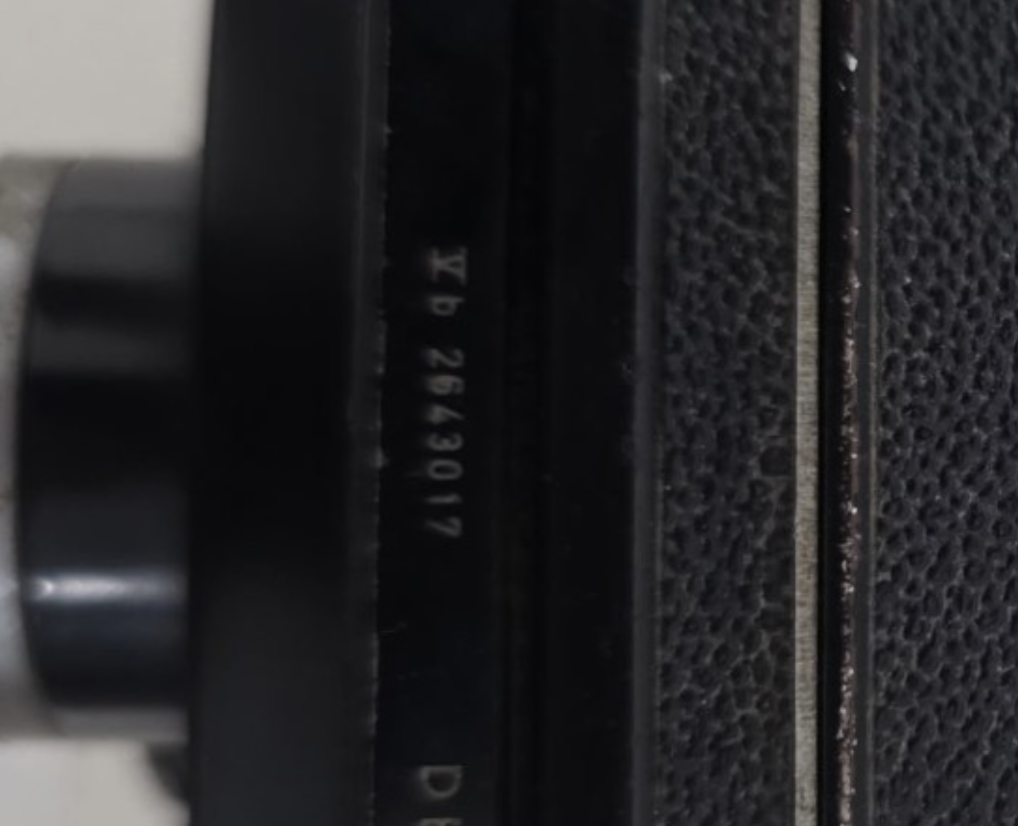
It reads the engraving — “Vb 2643017” — and the Rollei-Honeywell back, confirming the variant and even noting that a few later photos look like a different body, so the gallery may be mixed. The kind of careful read you would do yourself, on every listing, the second it appears.
A search for “Rolleicord Vb” would never have surfaced this listing — the words were never there to match. Diamond Eye found it because it did the one thing keyword alerts can’t: it looked.
What it flags
The four ways value hides in plain sight
Mis-identified models
The Rolleicord V that is actually a Vb. A keyword search for the valuable variant never finds it — the seller never typed those words.
Underpriced for what it is
Priced like the generic thing in the title, not the specific thing in the photos.
Broken but cheaply fixable
A “for parts” body with a fault that is an hour on the bench, not a write-off.
Unusual serials & rare variants
The detail that separates a common run from a collector’s one — read straight off the engraving.
Point it at your niche
Cameras were just the first.
Anywhere value is decided by a detail in a photo, the same eye works. Tell Diamond Eye what you collect; it learns the tells that matter.
Vintage cameras
A Rolleicord Vb listed as a generic “TLR 120 camera.”
Porcelain & figurines
A rare maker’s mark hiding under “cute horse ornament.”
Autographs & memorabilia
A genuine signature buried in a bad phone photo.
Pokémon & TCG cards
A rare variant or misgraded card sitting in a bulk-lot picture.
Watches
A desirable calibre under a plain “vintage watch” title.
Coins
A key date or mint mark the seller never noticed.
Vinyl records
A first pressing in a stack photographed as “old records.”
Tools & instruments
A collectible maker mislabeled as a junk-drawer lot.
Why it works
It reads the thing, not the title.
Most alerts match words. Diamond Eye pairs a vision model with the domain knowledge of your niche — the tells that separate a common body from a collector’s one — so it catches what a keyword never will. It is read-only and you decide: it watches and taps you on the shoulder; you tap to buy.
Put an eye on your niche.
Tell it what you hunt, and start testing it on real listings today. See what it surfaces before anyone else looks.
Early access. Sign-in opens soon — the button is a placeholder for now.